Redesign of a legacy incident reporting platform into a mobile-first, offline-capable experience for field operations.

Client
YPF
Year
2022
Scope
UX Design / UI Design / Agile (Scrum)
Initial situation
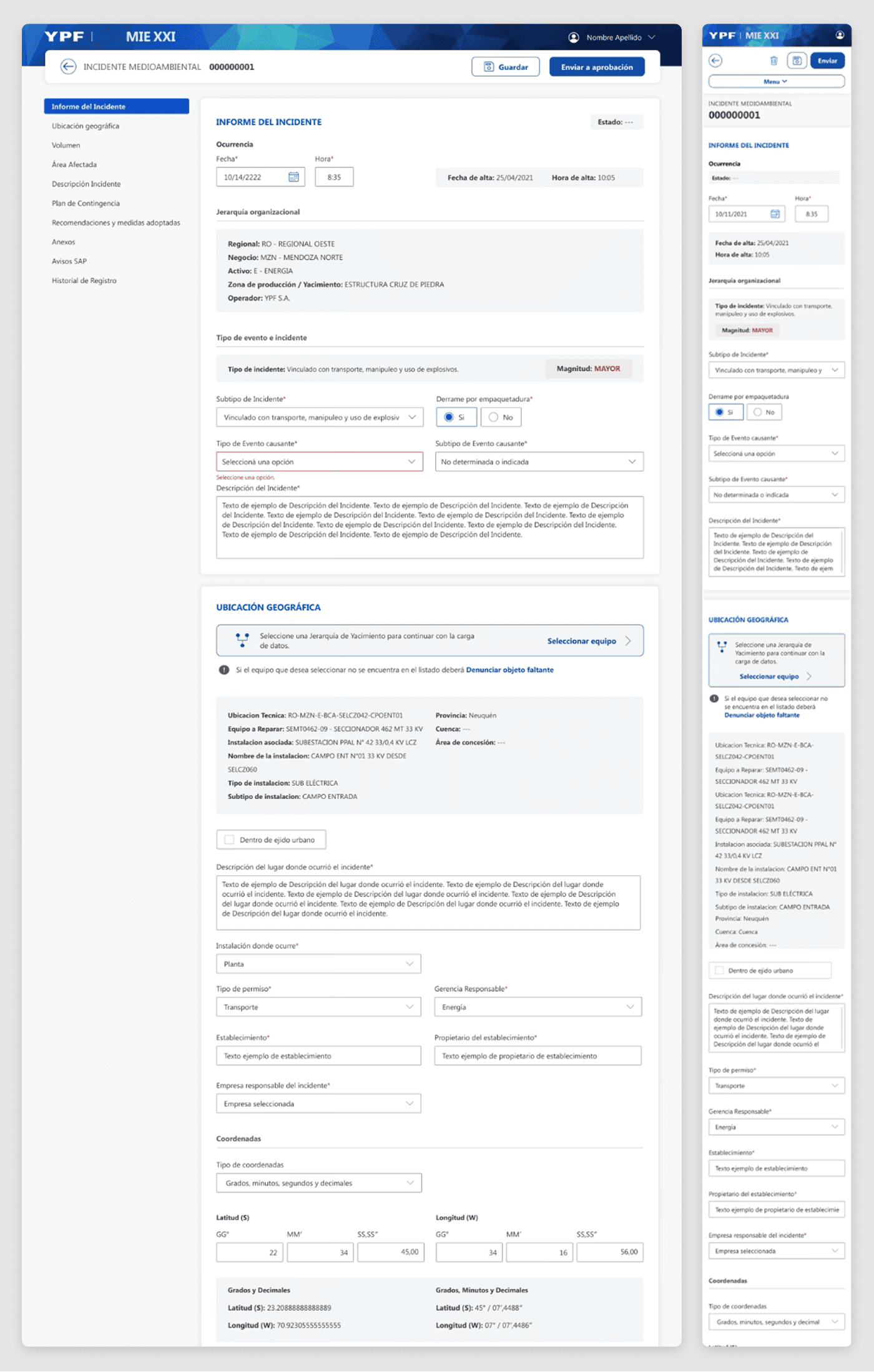
YPF had an environmental incident management platform designed for desktop, based on long forms.
In practice, operators used it on their phones, reporting incidents directly at the scene, often with limited connectivity.
Challenge
Align the experience with real usage conditions. The existing tool was a long form with no clear structure and no offline support. For someone reporting an environmental incident in the field, under pressure and from a phone, this created concrete problems:
It was easy to lose progress or make mistakes.
Operators did not understand where they were in the process.
There was no reliable way to handle poor or no connectivity.
Design approach
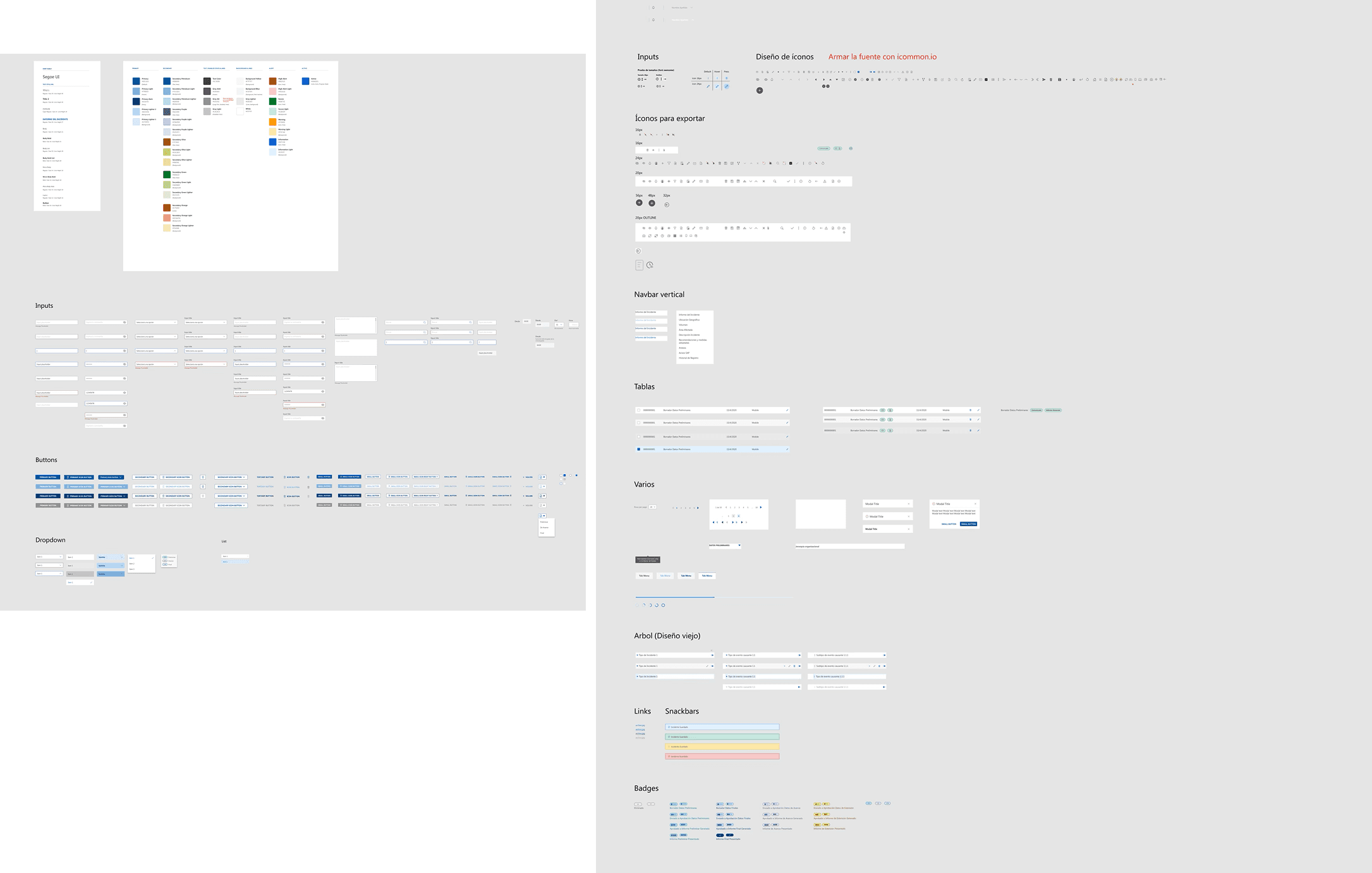
The project covered structure, flows, UI, and copy. I worked closely with the YPF team, using an agile approach that made it possible to iterate and gradually incorporate improvements into the system:
I proposed turning the long form into a step-by-step flow, making the process clearer and easier to follow.
I designed two separate flows: one for connected scenarios and another for offline use.
Together with the development team, I defined how the sync would work.
I worked with the YPF team on defining and refining the copy, especially for synchronization states and system messages.
I integrated into the team's agile workflow, adapting the design process to sprints: starting from a general layout and progressively refining each section while the team implemented in parallel.
I coordinated design work with the YPF team throughout the entire process, acting as the main point of contact from the consultancy.
The solution
The redesigned platform replaced a single overwhelming form with a guided step-by-step flow, adapted for mobile use in remote environments.
Navigation became clearer, progress became visible, and the experience aligned with how incident reporting actually happens in the field.
Results
A general layout was delivered as a starting point, which the YPF team began implementing immediately.
I worked in sprints, refining individual sections progressively while development ran in parallel.
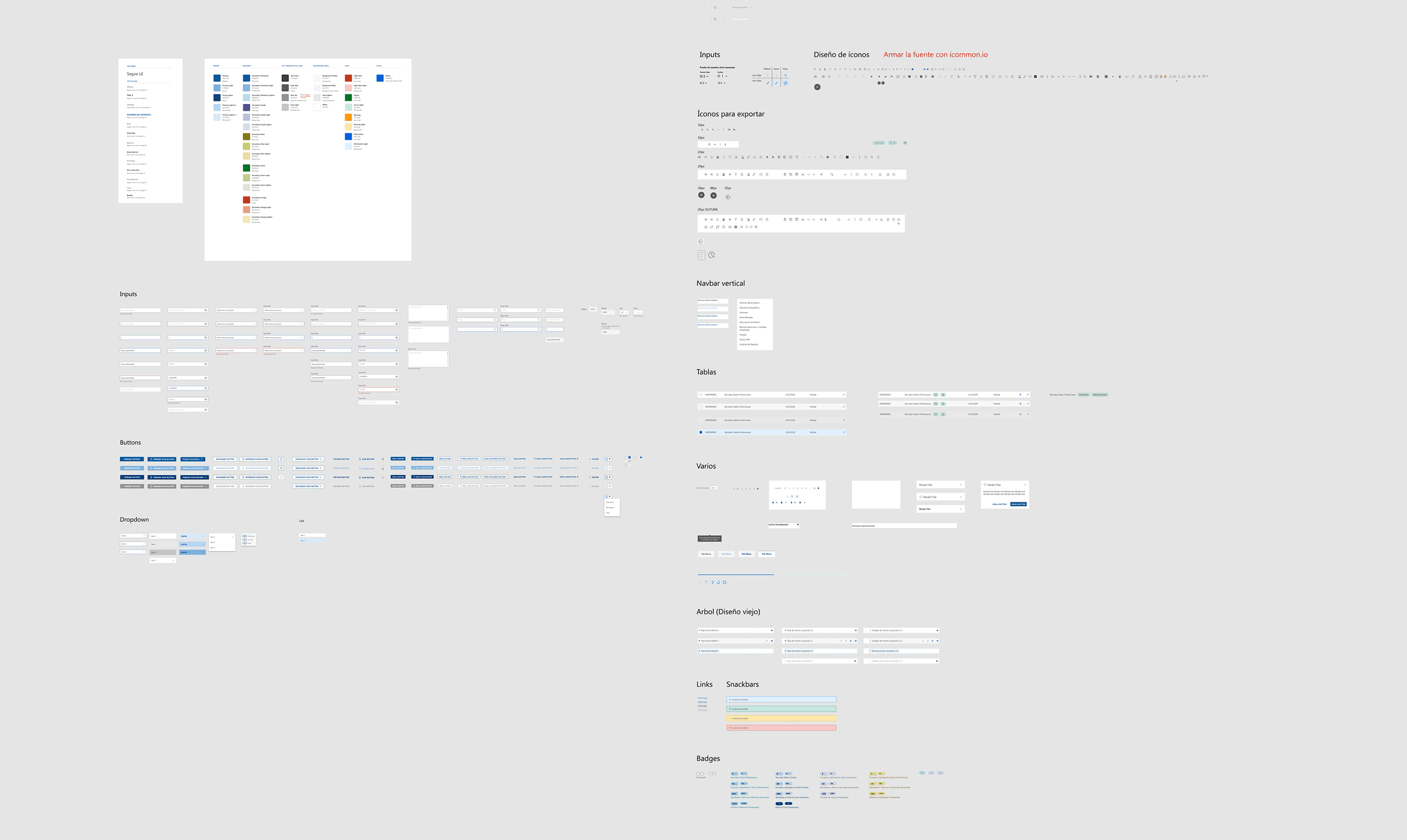
The modular structure allowed the team to adopt changes incrementally without blocking implementation.
The client was satisfied with the process and the instructions for carrying out the implementation.